मोस्को, 31 अगस्त - आरआईए नोवोस्ती, निकोले प्रोतोपोपोव। सैटेलाइट या मानवरहित हवाई वाहन द्वारा लक्षित, नायाब रेंज, किसी भी आधुनिक टैंकों को नष्ट करने की क्षमता - होनहार एंटी-टैंक कॉम्प्लेक्स को सेना -२०१० फोरम की सबसे हाई-प्रोफाइल सस्ता माल में से एक के रूप में मान्यता दी गई थी, जो मॉस्को क्षेत्र में समाप्त हो गई। डेवलपर्स का दावा है कि यह एक सौ किलोमीटर की दूरी तक बख्तरबंद वाहनों को मारने में सक्षम है।
लड़ाकू विमानों ने वाहनों को चलाया
पहली बार, उन्होंने 2000 के दशक की शुरुआत में अति-सटीक फायरिंग रेंज के साथ उच्च-परिशुद्धता निर्देशित हथियारों के बारे में बात करना शुरू किया। तब तुला इंस्ट्रूमेंट डिजाइन ब्यूरो (केबीपी, हाई-प्रिसिजन कॉम्प्लेक्स जेएससी का हिस्सा) के विशेषज्ञों ने एक एयर-लॉन्च मिसाइल प्रणाली का प्रस्ताव रखा।
2003 में, हेमीज़-ए संशोधन का का -52 हेलीकॉप्टर के लिए सफलतापूर्वक परीक्षण किया गया था: बाहरी मिसाइलों पर निर्देशित मिसाइलों के साथ सोलह कंटेनरों को रखा गया था। मुख्य लक्ष्य टैंकों और दुश्मन के गढ़वाले बिंदु हैं, जो बीस किलोमीटर की दूरी पर हैं।
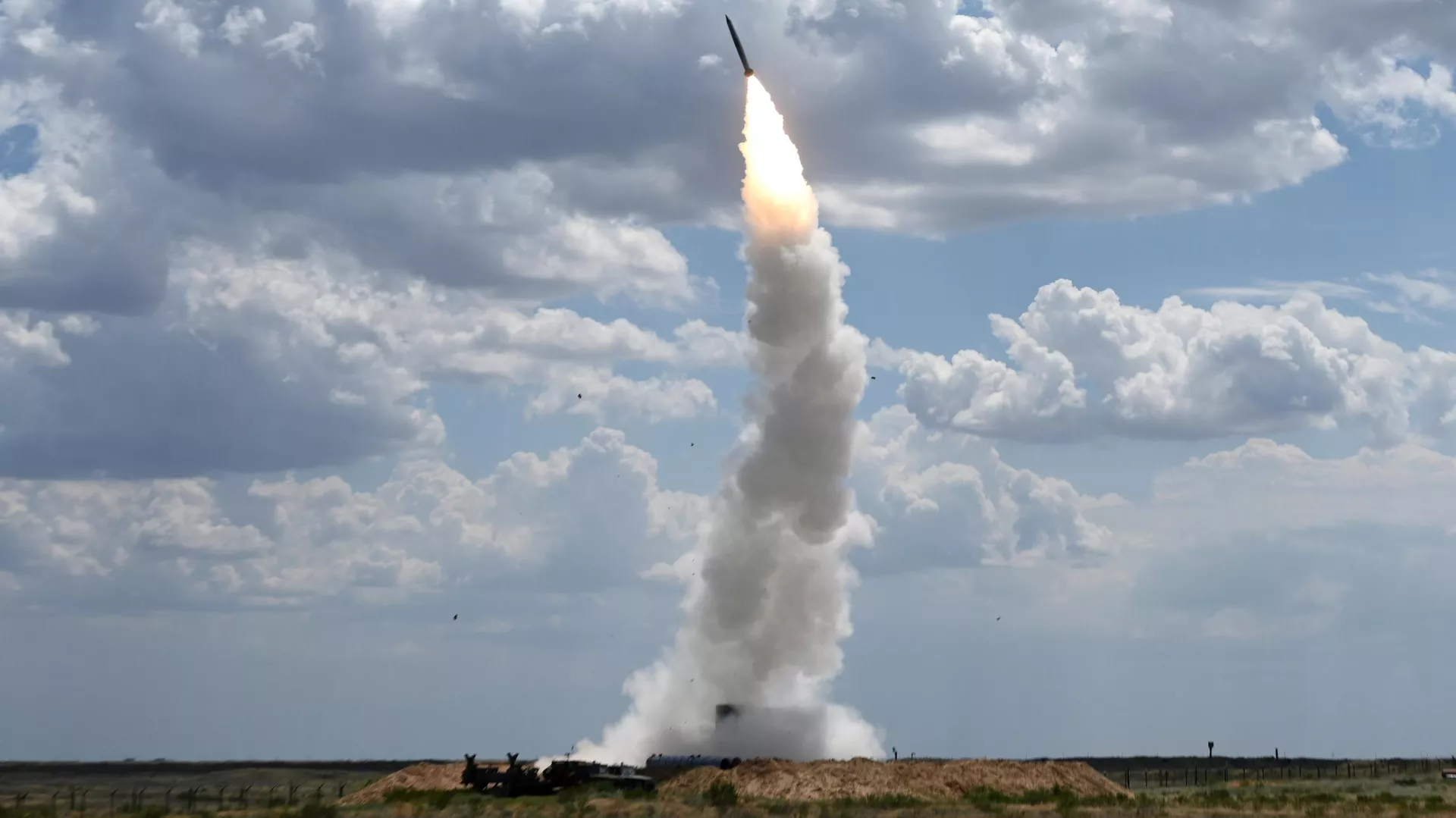
लेकिन इस बार ग्राउंड-आधारित संस्करण को पहली बार आम जनता के लिए दिखाया गया था। उपस्थिति में, जटिल कई लॉन्च रॉकेट सिस्टम जैसा दिखता है: एक उच्च-गतिशीलता वाले चेसिस पर छह बेलनाकार कंटेनरों के ब्लॉक के साथ एक मोबाइल लांचर।
कंटेनरों के अंदर एक उच्च विस्फोटक विखंडन वारहेड के साथ 130/210 मिमी की मिसाइलें हैं, जिनका वजन लगभग तीस किलोग्राम है। अधिकतम गति 1300 मीटर प्रति सेकंड है। एमएलआरएस के समान कैलिबर के बावजूद, यहां कार्य पूरी तरह से अलग हैं। यह माना जाता है कि सैनिकों में, ये हथियार तोपखाने और परिचालन-सामरिक परिसरों के बीच होंगे।
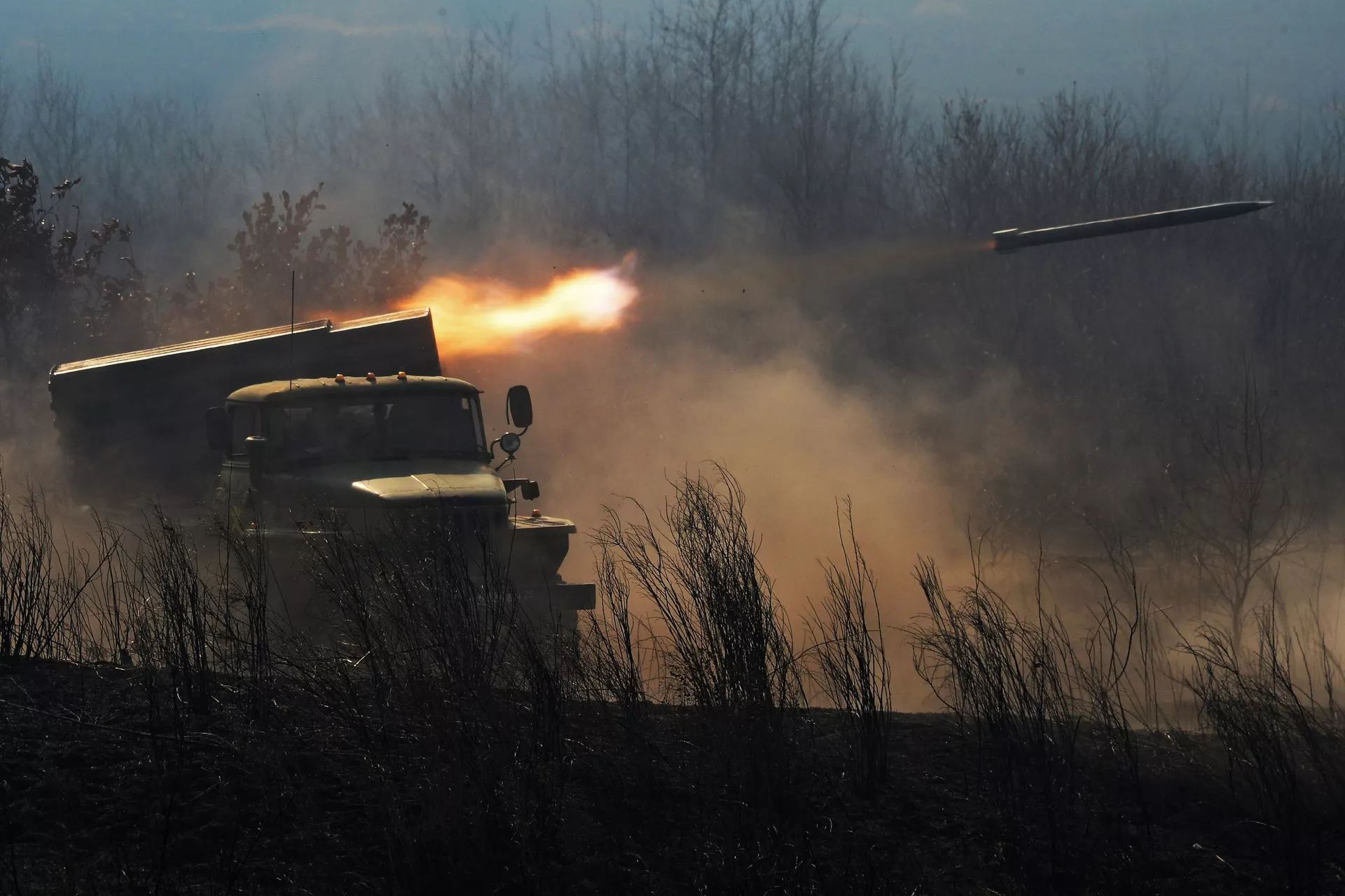
कई प्रक्षेपण रॉकेट प्रणाली "ग्रैड" का लड़ाकू वाहन बीएम -21
"हेमीज़" का मजबूत बिंदु एक सौ किलोमीटर तक की सीमा है। वह दिन-रात उसी सटीकता से शूटिंग करता है। डेवलपर्स के अनुसार, यह परिसर मुख्य रूप से वायु रक्षा सुविधाओं, कमांड पोस्ट और संचार केंद्रों, परिचालन-सामरिक मिसाइल प्रणालियों और कई लॉन्च रॉकेट सिस्टम के विनाश के लिए है। हेमीज़ विशेष रूप से छोटे आकार के एकल लक्ष्यों जैसे टैंक, बख़्तरबंद कर्मियों के वाहक या पैदल सेना से लड़ने वाले वाहनों के खिलाफ प्रभावी है।
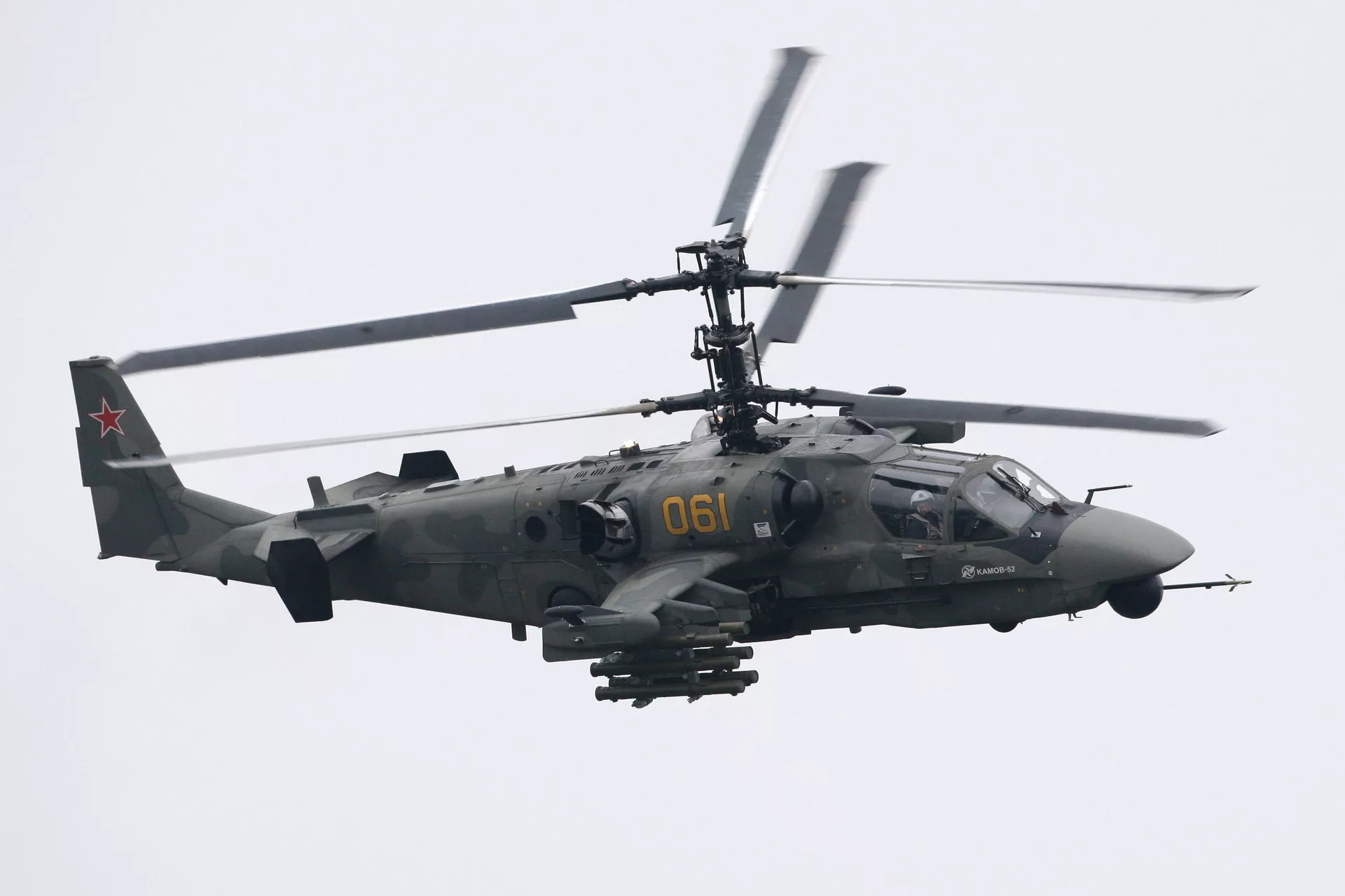
सभी मौसम का मुकाबला हेलीकाप्टर K-52 "मगरमच्छ" बहुउद्देशीय
एक मानवीय निर्णय
केबीपी के प्रवक्ता आरआईए नोवोस्ती को बताते हैं, "मल्टीपल लॉन्च रॉकेट सिस्टम ने तबाही मचा दी।" घनी आबादी वाले क्षेत्रों में, शहरों में - नागरिकों, इमारतों या किसी तीसरे पक्ष की वस्तुओं को नुकसान नहीं पहुंचेगा। केवल एक विशिष्ट लक्ष्य नष्ट हो जाता है। "
उच्च सटीकता एक उन्नत मार्गदर्शन प्रणाली द्वारा प्रदान की जाती है। सबसे पहले, जड़त्वीय रेडियो नेविगेशन काम करता है - एक उपग्रह की मदद से, फिर होमिंग हेड जुड़ा हुआ है।

लक्ष्य पदनाम के लिए, हेमीज़ चालक दल के पास कई विकल्प हैं। ग्राउंड स्टेशन के उपकरणों का उपयोग करके युद्ध के मैदान की वस्तुओं को रोशन किया जा सकता है। ऑप्टोइलेक्ट्रोनिक प्रणाली के साथ एक दूरस्थ पायलट रहित मानव रहित हवाई वाहन भी है, जो लक्ष्य के निर्देशांक को प्रसारित करता है, इसे मानचित्र पर चिह्नित करता है और इसे पांच किलोमीटर तक की दूरी पर रोशन करता है।
एक और महत्वपूर्ण लाभ उच्च गतिशीलता और बिना तैयारी के पदों से शूटिंग है। एकल और साल्वो मिसाइल लॉन्च दोनों छह लक्ष्यों के खिलाफ एक साथ संभव हैं।
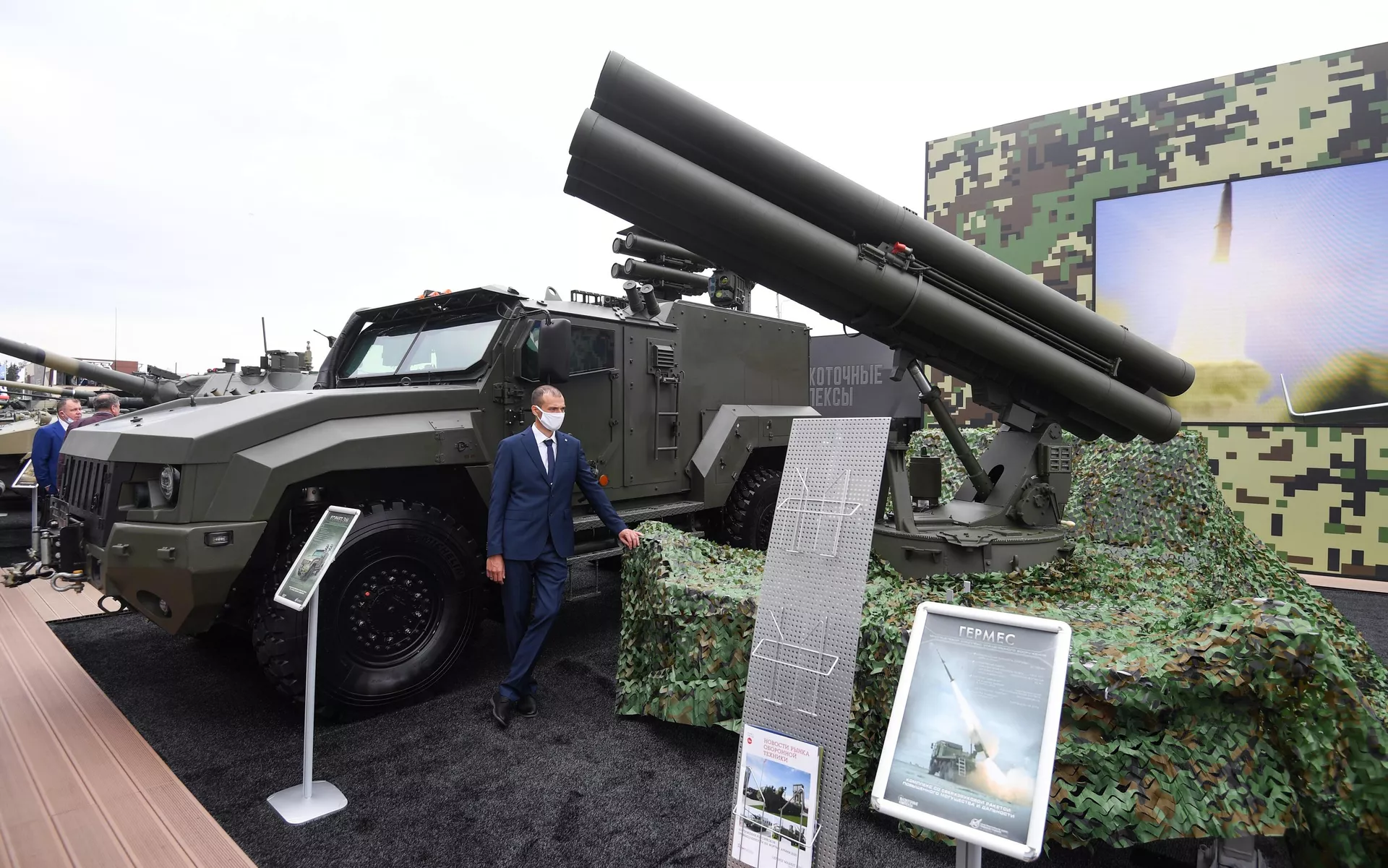
एंटी टैंक मिसाइल सिस्टम "हेमीज़"
महंगी और लंबी दूरी
डेवलपर्स नई स्थापना को टैंक से लड़ने के प्रभावी साधन के रूप में स्थापित कर रहे हैं। और यहां, घोषित विशेषताओं को देखते हुए, रूस या विदेश में कोई प्रतियोगी नहीं हैं। हालांकि, यह सवाल अभी भी बना हुआ है: क्या हर्मीज मौजूदा एंटी-टैंक मिसाइल सिस्टम को बदल देगा?
रूस के सैन्य-औद्योगिक परिसर के कोलेजियम में विशेषज्ञ परिषद के एक सदस्य विक्टर मुरखोव्स्की कहते हैं, "यह तथ्य इस तथ्य से अलग है कि यह एकल टैंकों की नहीं बल्कि परिचालन की गहराई पर प्रहार करने में सक्षम है।" प्रणाली और, तदनुसार, अल्ट्रा-लॉन्ग-रेंज एटीजीएम के रूप में उपयोग करने के लिए एक उच्च कीमत के साथ मापदंड "लागत - दक्षता" के अनुसार तर्कहीन है। महान गहराई पर एकल लक्ष्यों के लिए बहुत अधिक व्यावहारिक साधन हैं, उदाहरण के लिए, आप पारंपरिक एटीजीएम के साथ ड्रोन पर हमला कर सकते हैं.
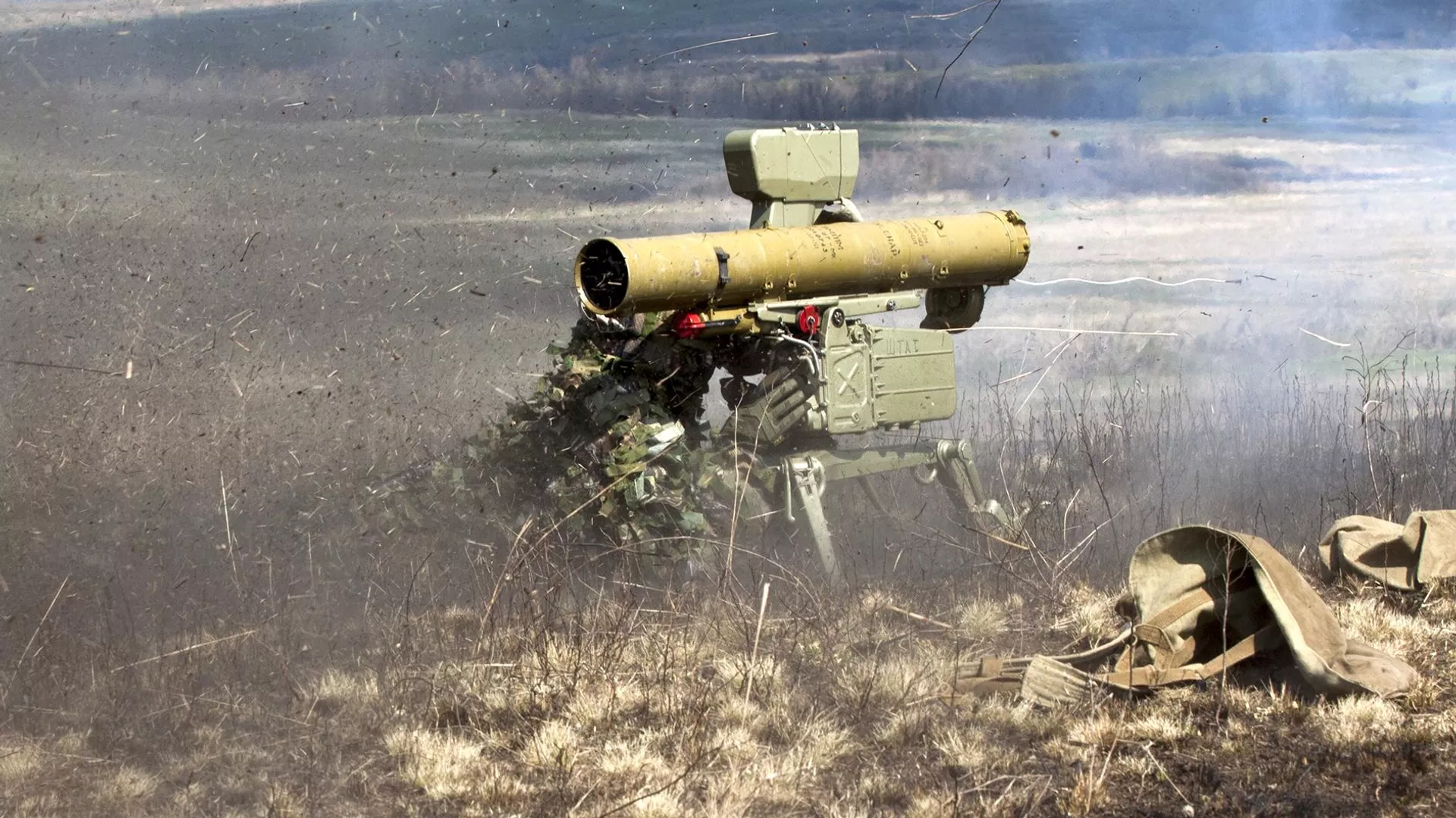
आज, टैंकों के खिलाफ, वे मुख्य रूप से पोर्टेबल एटीजीएम या उन लोगों का उपयोग करते हैं जिन्हें पहिया या ट्रैक किए गए चेसिस पर रखा गया है। तो, एटीजीएम "फगोट" या "प्रतियोगिता" - एक अर्ध-स्वचालित मार्गदर्शन प्रणाली के साथ दूसरी पीढ़ी के परिसरों। वे संचालित करने के लिए काफी सरल हैं: ऑपरेटर को मैन्युअल रूप से रॉकेट का मार्गदर्शन करने की आवश्यकता नहीं है, यह दृष्टि के क्रॉसहेयर में रखने के लिए पर्याप्त है। गोला बारूद की उड़ान को रेडियो चैनल या लेजर बीम द्वारा ठीक किया जाता है।
बाद में एटीजीएम "आग और भूल" सिद्धांत पर काम करते हैं। सबसे आधुनिक - "कोर्नेट-डी", जो एक तिपाई पर रखा गया है और इसका वजन लगभग पच्चीस किलोग्राम है। दृष्टि अवरक्त और ऑप्टिकल मोड में चल रही है, एक लेजर रेंजफाइंडर और एक स्वचालित लक्ष्य ट्रैकिंग डिवाइस है। "कॉर्नेट-डी" का उपयोग चलती और स्थिर वस्तुओं, समुद्र और हवा के लिए किया जाता है। गोला-बारूद में कई तरह की मिसाइलें होती हैं: उच्च विस्फोटक बम के साथ गोले से लेकर थर्मोबारिक गोला-बारूद। किसी भी आधुनिक टैंक के साथ जटिल कोप्स 1300 मिलीमीटर के कवच और तीन मीटर तक के ठोस आश्रयों में प्रवेश करते हैं।
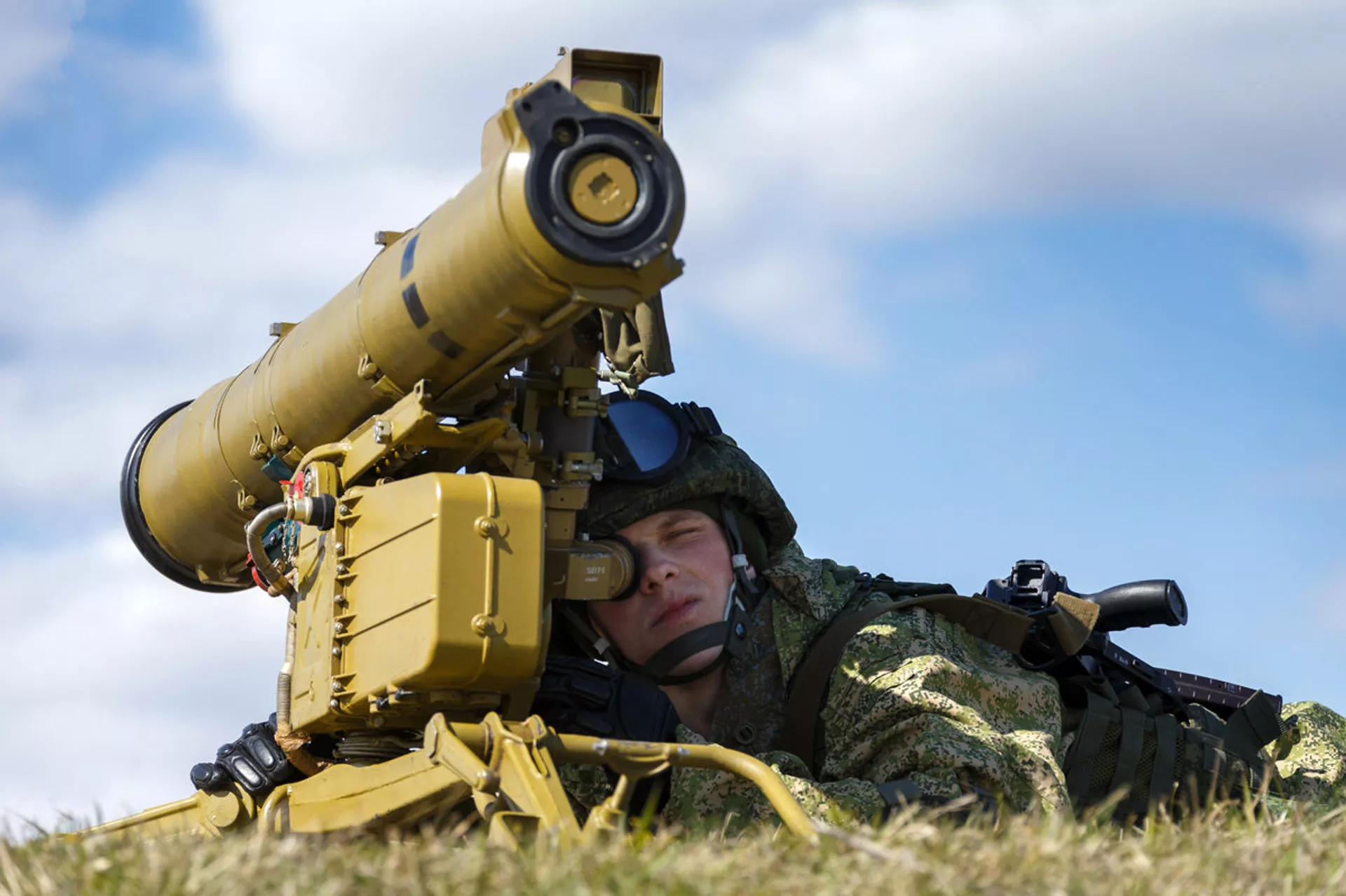
पश्चिमी सैन्य जिले के ग्राउंड फोर्सेस के मिसाइल बलों और तोपखाने के उपयोग के लिए प्रशिक्षण केंद्र के कैडेटों का नियंत्रण
एटीजीएम अच्छे हैं, क्योंकि वे मोबाइल, छोटे आकार और हल्के हैं, और सस्ते गोला-बारूद में बख्तरबंद वाहनों को प्रभावी ढंग से नष्ट करने की पर्याप्त शक्ति है। हालांकि, उनकी सीमा हर्मीस की तुलना में बहुत कम है।
विशेष रूप से, "कोर्नेट-डी" में आठ किलोमीटर हैं, जो एक बहुत अच्छा संकेतक माना जाता है। विदेशी समकक्षों में लगभग समान विशेषताएं हैं। उदाहरण के लिए, अधिक जटिल और महंगी अमेरिकी जेवेलिन, हालांकि यह एक जटिल प्रक्षेपवक्र के साथ घर से मिसाइल दागती है, अधिकतम तीन किलोमीटर तक पहुंचती है।
"हेमीज़" के सबसे नज़दीकी इजरायली सार्वभौमिक ATGM स्पाइकएनएलओएस है, जो बंद स्थानों से लक्ष्य को संलग्न करने के लिए डिज़ाइन किया गया है जो दृष्टि की रेखा से बाहर हैं। सिस्टम स्वचालित रूप से और ऑपरेटर द्वारा निर्देशित होता है। निर्देशांक जमीन पर या ड्रोन से हवा से आते हैं। अधिकतम सीमा पच्चीस किलोमीटर है।
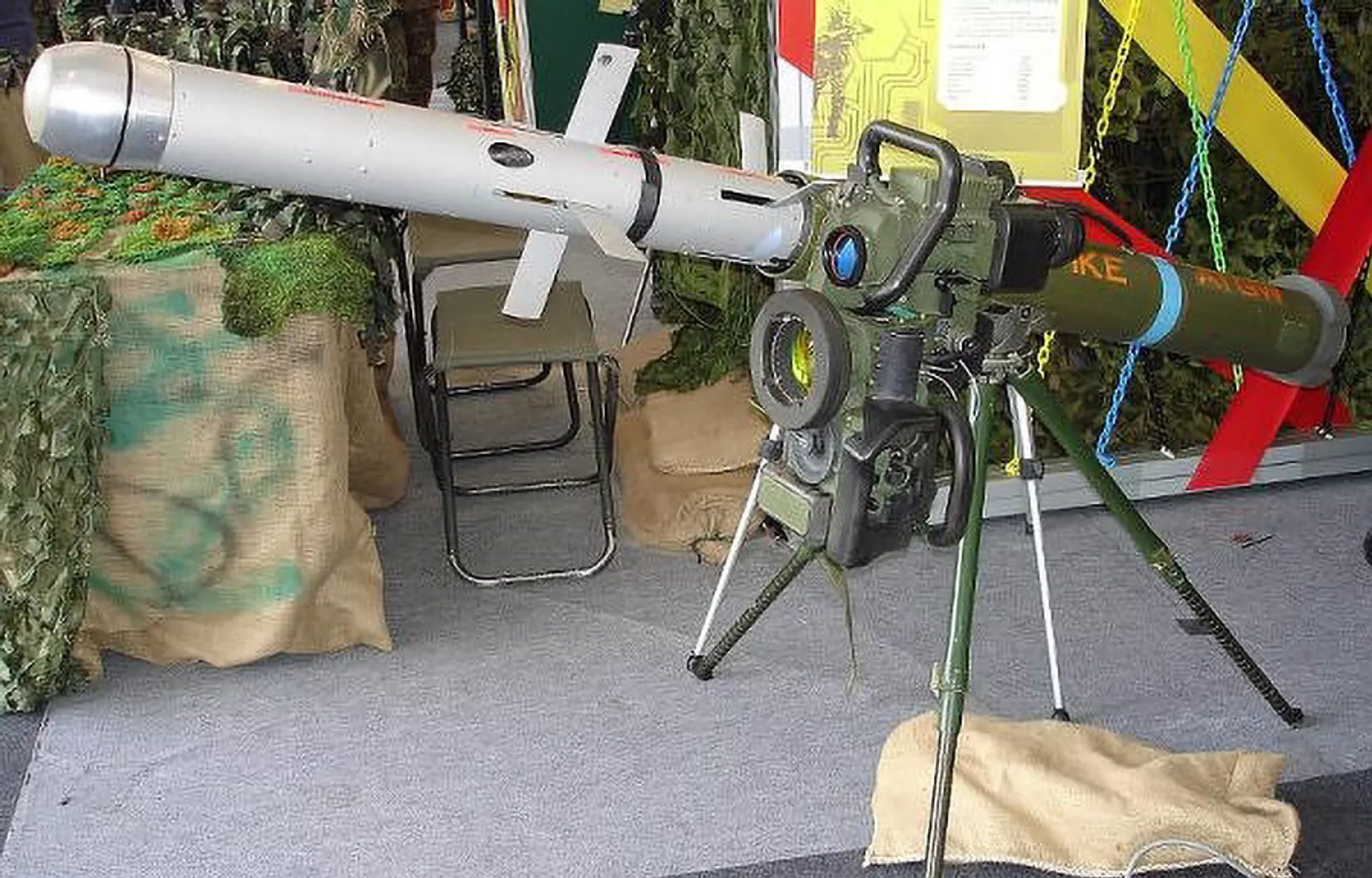
"स्पाइक" (एटीजीएम)


