MITRA MANDAL GLOBAL NEWS

Sweden's major parties close in vote; nationalist party gains momentum

Authentic news,No fake news.


Swedish Prime Minister and leader of the Social Democrat Party Stefan Lofven speaks Sunday at an election party at the Fargfabriken art hall in Stockholm, Sweden. Photo by Claudio Bresciani/EPA-EFE
Sept. 10 (UPI) -- Sweden's nationalist party solidified itself as a legitimate third party, while the establishment left and right parties virtually tied in closely-contested elections Sunday.
The governing center-left coalition gained about 40 percent of the vote, while the center-right group attracted the same amount of support. Making significant gains was the Sweden Democrats Party -- which is riding a wave of anti-immigration sentiment not only in Sweden but also other European Union countries. It garnered 18 percent of Sunday's vote, up from 13 percent in the last election.
Due to the close contests, the parties must now work together to form a government. Sweden uses a proportional representation form of government where seats are allocated based on the share of the vote.
Prime Minister Stefan Lovfven's Social Democrats Party has a coalition with the Green and Left parties. The group maintained a one-seat lead, but fell short of the 175 seats needed to govern. They will have to negotiate with the right-wing parties to find a workable government.
RELATED French President Emmanuel Macron decries 'national selfishness'
"We have two weeks left until parliament opens," Lofven said. "I will work on calmly, as prime minister, respecting voters and the Swedish electoral system."
Nicholas Aylott, a political science professor at Sodertorn University, said 200,000 overseas ballots won't be counted until Wednesday, so the final results likely won't be known for days.
Whatever the outcome, getting all parties to work together could be a challenge.
RELATED Sweden seeking foreign assistance to combat raging wildfires
"That frankly, is an extremely implausible scenario -- why would the Left bloc consent to an Alliance government when the Left bloc is actually a touch bigger than the Alliance?" Aylott questioned. "Much more plausible, I think, is that the Social Democrats either stay where they are or the government will resign and allow the negotiations to begin."
Aylott said it will be difficult for mainstream parties to treat the Sweden Democrats as equals.
"They're not a very old party, they were only formed at the end of the [1980s] and they have roots in overtly racist, Neo-Nazi organizations," Aylott said. "That history means something, no matter how much the party professors to have changed and maybe really has changed."
RELATED New Swedish law says sex without clear consent constitutes rape
The party, once linked to neo-Nazis and other far-right groups, attracts working class men but has made strides to attract more women and higher-income voters. The country has recently seen an influx of immigrants that Sweden Democrats say puts a strain on social services.
Party leader Jimmie Akesson, though, said the group has zero tolerance for racism and that several members have been expelled.
Emboldened by Britain's bold exit from the European Union in 2016, the Sweden Democrats are pushing for a "Swexit" referendum of their own.
"We will increase our seats in parliament and we will gain huge influence over what happens in Sweden during the coming weeks, months and years," Akesson said at a party rally.

More than 1,000 detained as protests over pensions sweep Russia

Authentic news,No fake news.


MOSCOW — A government plan to increase the age for collecting state pensions brought protests across Russia's 11 time zones Sunday even though the opposition leader who called them was in jail. More than 1,000 people were reportedly detained.
The plan calls for the eligibility age for retirement pensions to be raised by five years, to 65 for men and 60 for women. Opposition to it spans the political spectrum.
World news
The rallies got started in the Far East and Siberia when it still was early morning in Moscow, where a downtown demonstration in the afternoon ended in scuffles when riot police stopped participants from marching to the Kremlin.
Alexei Navalny, the anti-corruption activist who is President Vladimir Putin's most prominent foe, urged supporters to protest the pension proposal Sunday before he was sentenced to 30 days in jail for organizing an unsanctioned January protest involving a different issue.
Demonstrations took place throughout the sprawling country, from Yuzhno-Sakhalinsk on a Pacific island and in Kaliningrad, the Russian exclave between Poland and Lithuania.
Police officers detain a demonstrator during a rally protesting a rise in the retirement age in St. Petersburg, Russia, on Sunday.
Police officers detain a demonstrator during a rally protesting a rise in the retirement age in St. Petersburg, Russia, on Sunday.Valentin Egorshin
The OVD-Info organization that monitors political repression reported that as of Monday morning more than 1,000 people were detained in connection with the protests around the country. That figure included 452 which occurred in St. Petersburg, OVD-Info said.
Factory worker Olga Sokolova, 52, said she was "dumbfounded" when the proposal was introduced in Junebecause she had hoped to retire from her physically taxing job at age 55.
"I can't keep being afraid anymore," she said of her decision to risk detention by showing up at Moscow's Pushkin Square for the protest that attracted several thousand people.
The demonstrators, predominantly people in their 20s and decades away from retirement, chanted "Russia without Putin" and held signs with messages such as "Putin, when will you go on pension?"
They later marched toward Red Square and the Kremlin, chanting "Down with the czar!" as they passed the building of the Federation Council, the upper house of parliament, and leisurely Muscovites enjoying a hot afternoon.
A youth is escorted away from a protest in St. Petersburg, Russia, on Sunday.
A youth is escorted away from a protest in St. Petersburg, Russia, on Sunday.OLGA MALTSEVA
The group was eventually blocked by police barricades. Riot police observing from the sidelines charged the marchers with raised batons when some tried to rush through the barriers. The crowd dispersed half an hour later.
Raising the pension age is opposed both by older Russians, who fear they won't live long enough to collect significant benefits, and by young adults worried that keeping people in the workforce longer will limit their own employment opportunities.
"The reform is a robbery of my parents and grandparents. We're stealing our future, too. Right now the only thing we can do is protest," 24-year-old Igor Panov said at the Moscow demonstration.
"The state should have found the money it needed in the budget or through fighting corruption," 19-year-old Yegor Zhukov said at the St. Petersburg protest.
Popular opposition leader Yevgeny Roizman, who is a former mayor of Yekaterinburg, said on Twitter that a younger generation took the lead because middle-aged Russians were too scared to protest.
World news
"My respect to those who took to the streets today, especially young people," said Roizman, who was briefly detained at the rally in Yekaterinburg. "I want to say this to older people: The young have to take the hit for us and come out because we don't."
Putin's trust rating in public opinion polls dropped after the proposal was put forward. Last month he offered some concessions, but he and government officials say the age hike is necessary because rising life expectancy in Russia could exhaust pension resources if the eligibility age remains the same.
The proposed changes offered by Putin are to be considered when the bill comes up for its second reading in the Duma, the lower house of parliament.

https://www.youtube.com/channel/pramodsrivastav


Authentic news,No fake news.

Dipadih – Heritage at its creative, playful best

1
The word ‘archaeology’ is Greek in origin and has nothing to do with monuments or heritage but simply means the ‘pursuit of ancient knowledge.’ While few of us pursue ancient knowledge ardently – or any knowledge for that matter – while on holiday, there is a certain joy we experience while visiting heritage sites – treasure troves of prehistoric civilisations, acmes of ancient creativity, epitomes of thought and design from an era gone by. More so when they are not overrun by tourists or hidden beneath unseemly structures erected in the name of preservation. Dipadih is one of those delightful anomalies where lack of visitors has paid put to development funds which in turn has meant less visitors.
2
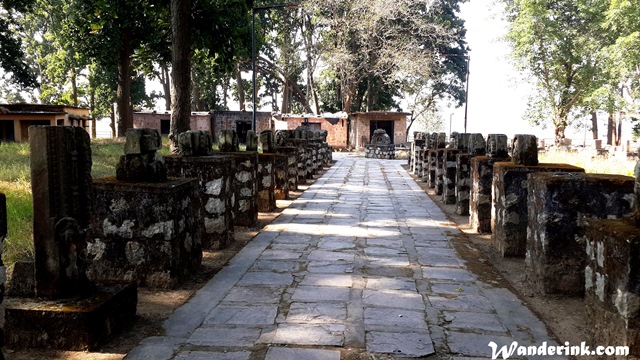
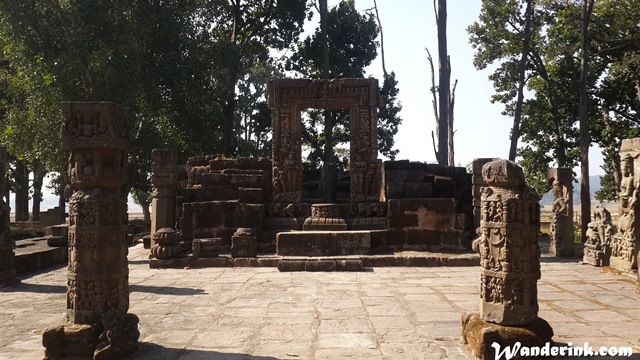
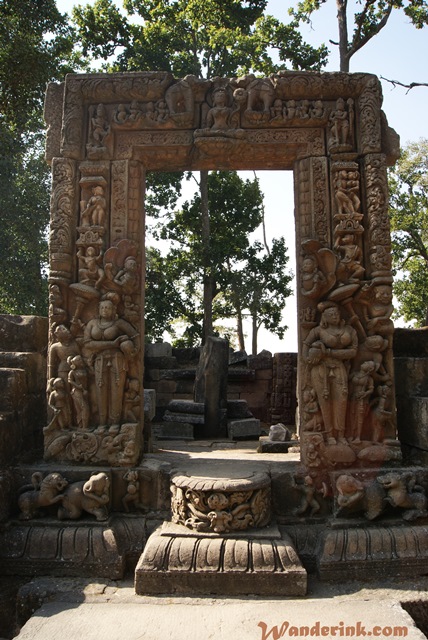
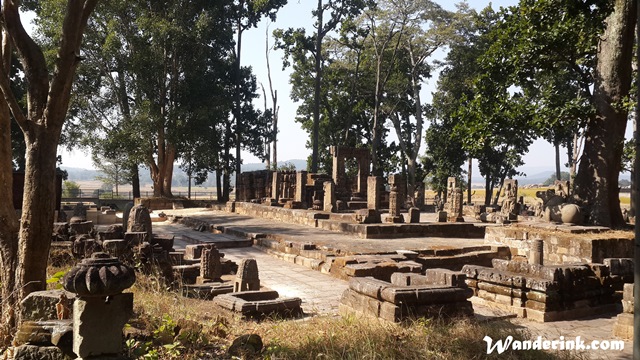
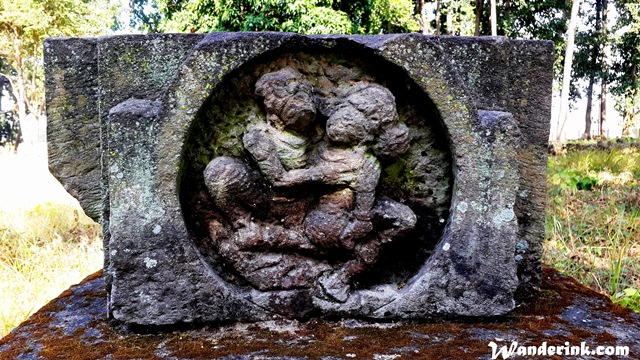
The site is an ancient temple complex and possibly the best archaeological site in the whole of Chhattisgarh. With not much footfalls, in large part due to its remote north location (read ‘route’ later in the story) the site has remained pristine. The best part is that the fruit of the archaeological dig has been preserved not in museums but on the open ground; and thankfully no claustrophobic awnings either. Excavated stone pillars have been erected along the path next to the entrance on which are exhibited the mythical creatures and religious figures that were unearthed at the site. A walk through the path leading to the main Shiva Temple breathes life to an almost visceral connection to our past and the rich heritage. Exploring the site is like walking through a live excavation site – only that here the sculptures have been lined up neatly, washing off the grime and the mud, for an exclusive premiere. Pardon the Hallmark sentiment, but you feel truly special here. The main findings in the region include six major temples and 74 smaller ones dating from the 7thcentury onward, when the region was under the Kalachuri kings.
3
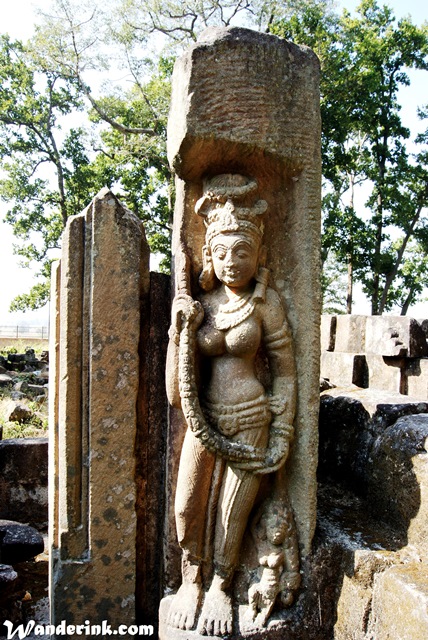
The main Shiva Temple is revered by the locals in the memory of King Samant Sarna who lost his life in battle centuries ago. The temple itself is quite unique in its craftsmanship, a celebration of perfection in everyday life. Thus there are images of the typical nayika (‘heroine’ literally) women characterised in sculptural art by alluring embonpoint – voluptuous breasts and well-rounded thighs. All around the complex are images of these nayikas in interesting postures – waiting for a lover, dancing, looking at themselves in the mirror. Keep an eye out for the one wearing a dissimilar pair of earrings. These nayikas are trendsetters, in stone: While mismatched earrings are popular with the tribal women of Sarguja even today, pop culture nayika Miley Cyrus wore one to a red carpet event last year.
????????
There are regal-looking creatures roaring in alert sentry duty and the more pacific images of swans and beatific peacocks. There is a very unique statue of two lions with one head which can be seen on the adhisthana, the raised platform, of the temple. On the entrance doors to the temple there are the river goddesses Ganga and Yamuna, epitomising feminine grace and charm wearing jewellery and daintily coiffured. A magnificent Lord Shiva has been etched on to its arches. Around it is the Kalpavriksha (a wish-fulfilling tree in Hindu mythology) and a band of soldiers. A stroll around the temple will reveal grimacing men with severely twirled moustaches, the lower lips merging with the beards and tucked into the corners of the walls – their mouths are actually the exit for the drainage system. Creativity at its playful best.
????????
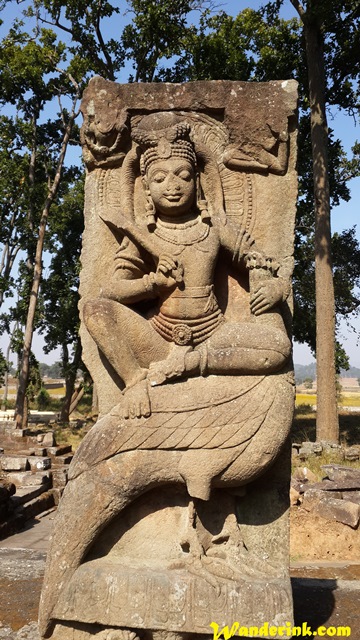
Other notable sculptures among the excavations here include the images of a dancing and an unmoving Lord Ganesha. The statue of Uma Maheshwar (Shiva and consort Parvati) is the epitome in sculptural art – there is a clearly discernible smile across the face of Uma Maheshwar. The hair on their heads as well as the jewellery worn by Parvati has also been etched out brilliantly. The statue of Rudra Bhairava or Shiva in his destructive avatar, with a garland of heads around his neck is more feral than elsewhere for it is grinning as if enjoying the annihilation. There is Lord Brahma with facial hair, apparently not seen anywhere else in India. Most nook and enclosure lead to a Shivalinga ranging from five feet to a behemoth and an architectural marvel made from 108 smaller Shivlingas. The macho soldier, in a marked departure from his usual gallant stance, plucking out a thorn that has pricked the tender feet of his paramour is an enduring one as it is endearing. Chivalry was always in fashion!
At the time of visit towards the end of last year I saw some labourers laying the foundation for a building without any sort of supervision within the site obviously flouting all conservation norms.
“Whom are you guys working for?” I asked.
“Babloo contractor.”
Expecting an ‘ASI’ or ‘state archaeology department’ I could only gawk at them.
“You don’t know Babloo contractor?” They asked, unbelieving.
“Mmmhhhh,” I mumbled unable to cover my feeling of inadequacy.
It could be just a matter of time before the true heritage experience of Dipadih is obliterated by more of such recent arrivals. But till then truly a life enriching experience.
6
The route and snacking suggestions: Dipadih is best done as a day trip from Ambikapur. Take the exit to Rajpur 38 km away. The road is a well maintained double lane though it tapers in many places to a narrow strip. Like the rest of Ambikapur, you don’t encounter much traffic here either. But do keep an eye open for tractors or other vehicles that are obscured by hayricks stacked up by the side of the road. Vast open fields, ochreous-yellow stubs in the post-harvest season, embrace the tarmac from both sides. Sal trees cuddle over clusters of adobe houses many of which are under lock and key; with not much of work left in the fields, the villagers have moved to cities looking for work.
7
Locals vouch for the quality of the food one gets at the dhabas along this route; there are a few as you near Rajpur which serves some seriously appetising stuff. The samosas from these shops are a must-try; the potato used in the filling has a certain je ne sais quoi which can be said only for those coming from Mainpat nearby. Have it with the pathaka (literally meaning ‘firecracker’) or imli (tamarind) chutney. Though the road traces a blazing straight track most of the time, there are severe half-moons and blind inclines. From Rajpur, Dipadih is 42 km and the scenery only gets better. A very memorable drive made further enjoyable by relative emptiness of the road. Once you reach Dipadih town there is an unobtrusive turning to the left which cuts through unending fields till the excavation site marked by sprawling arboreal glory.
Distance: 80 km / Time: 1 hr 30 min
You can wipe out a generation of people, you can burn their homes to the ground and somehow they will still come back. But if you destroy their achievements and their history then it’s like they never existed. Just ash floating.
George Stout / Frank Stokes played by George Clooney in the true life drama ‘The Monuments Men’
(Except for a few minor additions, the above article is largely from a chapter in the guidebook ‘Experience Chhattisgarh on the road’ written and photographed by Wanderinkfor the Times Book Group.)

Reuters puts latest news app

Authentic news,No fake news.


NEW YORK, JULY 30, 2018 – Reuters, the world’s largest international multimedia news provider, today unveiled a personalized news app designed to help business professionals make better decisions.
The new Reuters news app – available today on iOS devices – has been built to provide users with an indispensable ‘news utility.’
The design puts an emphasis on topic-based feeds, providing fast, accurate and relevant information that will quickly inform business professionals’ judgement across industries, interests, markets and countries.
Users of the app can discover thousands of topic feeds from Reuters vast global news resource and curate these into a highly-customized news service. Additionally, the app offers a range of personalization features, including customized alerts, ‘market watchlists’ and bespoke analysis of stocks, bonds, currencies and commodities.
Isaac Showman, Managing Director of Reuters Consumer, said, “People rely on Reuters to inform their personal and professional decision-making. In building the new app, we wanted to make it easier for users to access quality news and data across the thousands of specialist topics we cover. By being a ‘news utility,’ we’re focusing on being incredibly useful, fast and relevant for our users.”
The app also features ‘Editor’s Highlights’ cards that provide a summary of major stories in each feed; a personalized news bulletin from Reuters TV, where users can select their program length; and offline access.
The app is available for iOS devices today. An Android version will be available in coming weeks.

Assam: Some four million left out of final India NRC draft list

Authentic news,No fake news.

The NRC has been updated after nearly seven decades as part of a campaign to identify undocumented immigrants from Bangladesh [Anupam Nath/AP Photo]
Guwahati, India - The names of about four million people in India's Assam state are not included in the final draft list of citizens published by authorities on Monday.
The draft list, called the National Register of Citizens (NRC), was announced on Monday by the Registrar General of India (RGI), which said that out of the 32.9 million population of the border state, 28.9 million names were included in the final draft of the NRC.
"No genuine Indian citizens need to worry as there will be ample opportunities given to them to enlist their names in the final list," Shailesh, the registrar general of India, told reporters Guwahati city.
The definitive list will be announced in December.
In the first list announced on December 31, 2017, 19 million people were designated as legal citizens.
The NRC has been updated after nearly seven decades as part of a campaign to identify undocumented immigrants from Bangladesh, but critics say those who are not included on the list may be rendered stateless.
The list can be checked online or by visiting one of the 2,500 NRC Seva Kendras (service centres) set up across the state. The results can also be accessed via SMS on request.

Retired army officer's name missing

A retired army officer who served for around 30 years has found his name missing from the final draft.
"I'm hurt. This is what I had to see after serving the nation for three decades. I have no words to say," said Azmal Haque, 50, a resident of Chhaygaon in Kamrup district, who retired as a junior commissioned officer (JCO) in 2016.
READ MORE

What's next for the 4 million stripped of citizenship in India?

"This is very unfortunate if the system runs like this. If it can happen to a retired army officer what will be the fate of common people," Haque told Al Jazeera.
Haque was served a notice to prove his citizenship by the Foreigners Tribunal in 2017. Later Assam police had said that it was a case of mistaken identity.
"I had submitted all the documents that was required."
Haque's son and daughter too failed to make it to the final draft.
Women stand next to police as they wait to check their names on the draft list of the National Register of Citizens (NRC) [File: Anuwar Hazarika/Reuters]
The All India United Democratic Front (AIUDF) General Secretary Aminul Islam said his party was shocked to see the number of people left off the list.
"It's quite a huge number. We are shocked," said Islam from the AIUDF party, which fights for the rights of people of Bengali origin in the state.
"There are several objections. The update process was being done under the supervision of the Supreme Court but it was unfortunate to see the intervention of the state government on several occasions. We will approach the court later," Islam told Al Jazeera.
"But for the time being, we appeal to the people to maintain peace and harmony."
Human rights activist Suhas Chakma dubbed the NRC list the "biggest exercise for disenfranchisement in human history".
"The National Register of Citizens is the biggest exercise for disenfranchisement in human history. This NRC has few parallels such as expulsion of 300,000 Indian origins persons by General Ne Win of Myanmar in 1960s, expulsion of over 80,000 Indian origin people by Idi Amin of Uganda, the denial of citizenship to over 500,000 Indian origin Tamils by successive governments of Sri Lanka and in the last three decades, the expulsions of the Rohingyas by Myanmar," Chakma, Director of the Rights and Risks Analysis Group, said in a statement.

Time for corrections

Rajnath Singh, India's interior minister, said those whose names are not included on the list should not worry.
READ MORE

'Harassed, discriminated': Story of Assam's Bengali origin people

"Even if someone didn't find their names in the final NRC, they can go to the foreigners' tribunals," Singh told local media. "All individuals will be given a fair chance."
On Sunday, Assam Chief Minister Sarbananda also said there would be time to file objections to the list. 
"They will get adequate opportunities to file claims and objections pertaining to their rights," he wrote on Twitter. 
NRC Coordinator Prateek Hajela had earlier told Al Jazeera that people can apply for corrections from August 30 to September 28.
"If their names are not in the final draft, it doesn't mean that these people are illegal," Hajela said.
"This is just a draft and I'm telling you that these people will be given ample opportunities for claims and objections. So, there is no reason to fear."
All Assam Minority Students Union President Rezaul Karim Sarkar said that no genuine Indian citizens should be left out.
"We want to appeal to the NRC coordinator and also the government to be very careful in verifying these people who are left out," Karim said.
"I appeal to all, including the political parties, not to play politics with these 40 lakh [4 million] people as the final list is yet to come out."

Security tightened

Security has been put on high alert, with section 144 of the Criminal Procedure Code imposed in seven of the state's 33 districts. Under section 144, the assembly of more than four people is prohibited.
More than 22,000 additional paramilitary personnel have also been deployed across the northeastern state.
Central Reserve Police Force (CRPF) personnel stand guard at a temporary camp ahead of the publication of the first draft of the National Register of Citizens (NRC) [File: Anuwar Hazarika/Reuters]
The country's Supreme Court - which supervised the entire process - had initially set June 30 as the deadline to publish the final list. But this was postponed to July 30, as the massive exercise could not be completed.
Unique to Assam state, the NRC document was first prepared in 1951 to distinguish Indian citizens from undocumented immigrants from then-East Pakistan (which later became Bangladesh in 1971).
The cutoff date to be eligible for Indian citizenship is March 24, 1971, as per the Assam Accord signed in 1985.
The people or their descendants whose names appeared in the NRC 1951, or in any of the electoral rolls up to March 24, 1971, or in any of the other recognised official documents issued up until midnight of the same day are eligible to be included in the final draft.
Assam has witnessed prolonged protests against so-called foreigners, which includes both Hindus and Muslims.
The arrival of millions of refugees in 1971 - when Bangladesh seceded from Pakistan after a bloody civil war - brought the issue of these so-called foreigners in national focus.
SOURCE: AL JAZEERA NEWs

Latin American Migrants Targeted by Trafficking Networks

Authentic news,No fake news.


María Reina Gutiérrez was travelling from her native Bolivia to the capital of Argentina with her partner and her brother-in-law, the three of them "hired" by a textile sweatshop, when the bus overturned, the two men lost their lives and she lost a leg. She was forced to work in a wheelchair under slavery conditions and eventually was fired. Now, thanks to a solidarity-based cooperative, she sews clothes that are “free of human trafficking" and knows how to defend her labour and human rights. Credit: Fabiana Frayssinet/IPS
RIO DE JANEIRO, Jul 28 2018 (IPS) - The rescue earlier this month of 12 Venezuelan and three Colombian women from a prostitution network that recruits migrants in Peru is an example of the complex web where migration and human trafficking often involve victims of forced labour and sexual exploitation.
The sex trade ring that preys on migrants was dismantled by police in Peru on Jul. 4. Three of the women were minors.
According to the authorities of the South American country, the victims were reportedly recruited in Bogotá, where their tickets to Lima were paid, and then they were forced into prostitution to pay off a 1,000-dollar debt.
“Migration, both internal and international, is rooted in inequalities, human rights violations and other structural causes linked to socio-economic and cultural processes,” Cécile Blouin, a researcher with the Institute of Democracy and Human Rights at the Pontifical Catholic University of Peru, told IPS.
"In some cases, traffickers offer opportunities elsewhere. This is also intended to keep people away from their support networks so that they do not know where to turn for help. This uprooting effect intensifies when you go to another country and you don't know the culture and the language well." -- Rosilyne Borland
Speaking from Lima, the expert said that “in some contexts, migration can start as a trafficking situation from the outset, for example when a person is recruited for sexual exploitation from the country of origin.”
“In other cases, the migration process can take place without a prior recruitment or contract for a form of exploitation, but after they arrive in the destination country, they get into a situation of human trafficking due to a series of factors related to inequalities, violations of rights, socioeconomic conditions and so on,” she said.
According to the latest report by Peru’s Public Prosecutor’s Office, between 2014 and 2017, foreign victims of trafficking represented just over 10 per cent of the victims and came mostly from Colombia, followed by Ecuador and the Dominican Republic.
The socio-economic meltdown in Venezuela has led to a new wave of migrants from that country to Peru, some 280,000 up to May, but there are no specific figures on cases of trafficking.
July 30 is World Day Against Trafficking in Persons, a crime often linked to migration and also to the smuggling of migrants, as noted by the United Nations Office on Drugs and Crime (UNODC).
“If you look at large migratory flows, particularly those involving displaced persons or persons in irregular situations, there are likely to be a number of people who fall into the hands of trafficking networks,” said Rosilyne Borland of the International Organisation for Migration(IOM).
The regional thematic specialist on migrant assistance cited Venezuela’s massive migration flow as an example. “One can imagine that within the flow we can find a group of people who may fall into the hands of criminals. And we’ve seen that at present,” she said.
UNODC defines human trafficking as the transfer of human beings from one place to another within the borders of the same country or across borders for purposes of exploitation, mostly sexual, labour or for begging.
But trafficking in persons is not necessarily linked to migration, because people can be victims of this crime in their own country, said Borland from her office in San José, Costa Rica.
Signs of child victim of human trafficking and smuggling held by demonstrators during a protest in Mexico. The theme of this year's World Day Against Trafficking in Persons, on Jul. 30, is to "responding to the trafficking of children and young people." Credit: CIMAC
Signs of child victim of human trafficking and smuggling held by demonstrators during a protest in Mexico. The theme of this year’s World Day Against Trafficking in Persons, on Jul. 30, is to “responding to the trafficking of children and young people.”
Credit: CIMAC
“Having said that, we know that many victims of human trafficking did migrate at some point. What criminal networks are looking for is the possibility of capturing a person and subjecting them to exploitation, whether for forced labour or sexual exploitation. And sometimes migration is part of the process,” she added.
According to Borland, traffickers often deceive their victims with false promises of employment or other fake opportunities.
“In some cases, traffickers offer opportunities elsewhere. This is also intended to keep people away from their support networks so that they do not know where to turn for help. This uprooting effect intensifies when you go to another country and you don’t know the culture and the language well,” she said.
UNODC estimates that 2.5 million migrants are trafficked worldwide. But it points out that for each identified victim of trafficking, there are 20 more unregistered victims, bringing the number to 50 million.
Two-thirds of the identified victims are women, 79 per cent of whom are sexually exploited. The rest are linked to labour exploitation, forced labour or forced services.
Of the victims of trafficking detected in Central Europe, 13 per cent are from South America, while of those detected within Latin America, 66 per cent are women, 13 per cent girls, 12 per cent men and nine per cent boys.
The main countries of destination for the sexual exploitation of South American victims of trafficking are Spain, Italy, Portugal, France, the Netherlands, Germany, Austria and Switzerland, according to UNODC data.
There are no figures of how many Latin American migrants are trafficked to other parts of the world or between Latin American countries and within their own territories.
But according to Borland, the sectors where there are victims of this crime are agriculture, mining, construction and textiles, “which in some contexts are associated with flows of migrant workers, within a country or from other countries.”
“We know that victims of trafficking typically have worse conditions, longer working hours and face a lot of violence as well as risks to their well-being from the conditions in which they live and work, compared to others in the sector who are not victims of trafficking,” observed the IOM senior expert.
María Antonia Chávez, of the Political and Social Studies Division of the University of Guadalajara, Mexico, which is part of the Latin American Observatory on Human Trafficking and Migrants Smuggling (ObservaLATrata), told IPS that there are two structural causes for the intersection between migration and trafficking.
Among them, she pointed out from Guadalajara, is the tightening of immigration requirements that encourages the hiring of coyotes or people smugglers.
“It is in this process that the possibility of people smuggling in relation to human trafficking appears as a risk for people who want to get a better chance at life or who want to reunite with their relatives in another country and do not meet the requirements for a visa,” she said.
On the other hand, sometimes traffickers use “trickery and deception” to move people from one country to another for the specific purpose of exploiting their work or services, she added.
“Even though trafficking in persons is a fundamentally different crime from people smuggling in that it involves the movement of persons for the purpose of exploiting their work or services, there is an overwhelming majority of victims of trafficking who are migrant workers trapped in labour, sexual or other forms of exploitation within the context of trafficking in persons,” Chávez said.
Mexico, as a country of origin, transit and destination for legal and irregular migrants, is the second largest source of victims of trafficking to the United States and the world’s largest consumer of exploited people, according to Chávez.
But trafficking connected with migration also occurs within Latin America, the expert said.
One example is that of Colombian victims of trafficking mainly for the purpose of sexual exploitation and forced labour. The highest number of cases have been reported in China (23 per cent) and Argentina (18 per cent), followed by Mexico (nine per cent, South Korea (nine per cent), Ecuador (seven per cent) and Indonesia (seven per cent).
Another case is that of Argentina, where “sexual exploitation and labor exploitation have increased” in the textile industry, with people mainly from Bolivia or Peru, Chávez said.

Will Trump’s Trade War Make America Great Again?

Authentic news,No fake news.


SYDNEY & KUALA LUMPUR, Jul 16 2018 (IPS) - The United States has had the world’s largest trade deficit for almost half a century. In 2017, the US trade deficit in goods and services was $566 billion; without services, the merchandise account deficit was $810 billion.
The largest US trade deficit is with China, amounting to $375 billion, rising dramatically from an average of $34 billion in the 1990s. In 2017, its trade deficit with Japan was $69 billion, and with Germany, $65 billion. The US also has trade deficits with both its NAFTA partners, including $71 billion with Mexico.
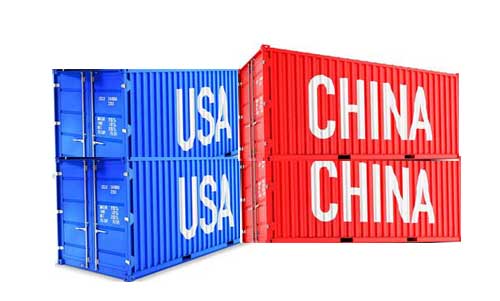
President Trump wants to reduce these deficits with protectionist measures. In March 2018, he imposed a 25% tariff on steel imports and a 10% tariff on aluminium, a month after imposing tariffs and quotas on imported solar panels and washing machines. On 10 July, the US listed Chinese imports worth $200 billion annually that will face 10% tariffs, probably from September, following 25% tariffs on $34 billion of such imports from 7 July.

Do US trade deficits reflect weakness?
The usual explanation for bilateral trade deficits is price differentials. However, the US accuses such countries of ‘unfair’ trade practices, such as currency manipulation, wage suppression and government subsidies to boost exports, besides blocking US imports.
Trump views most trade deals such as NAFTA as unfair. His team insists that renegotiating trade deals, ‘buying American’, a strong dollar and confronting China will shrink US trade deficits.

Anis Chowdhury
But the country’s overall trade deficit, offset by capital inflows, is related to the gap between its savings and investments. The US spends more than it produces, thus importing foreign goods and services. Cheap credit fuels debt-financed consumption, increasing the trade deficit.
Total US household debt rose to $13.2 trillion in the first quarter of 2018, the 15th consecutive quarter of growth in the mortgage, student, auto and credit card loan categories. American consumer debt was more than double GDP in 2017.
US government budget deficits have also been growing. From 67.7% of GDP in 2008, US government debt rose to 105.4% in 2017. The federal budget deficit was $665 billion in FY2017, rising 14% from $585 billion in FY2016.
The US budget deficit was 3.5% of GDP in 2017. According to the US Congressional Budget Office, it will surpass $1 trillion by 2020, two years sooner than previously projected, due to Trump tax cuts and spending increases.
The growing US economy may also increase the trade deficit, as consumers spend more on imported goods and services. The stronger dollar has made foreign products cheaper for American consumers while making US exports more expensive for foreigners.

Jomo Kwame Sundaram. Credit: FAO
These underlying economic forces have become more important than policies in raising the overall trade deficit, while bilateral deficits reflect specific commercial relations with particular countries. Thus, disrupting bilateral trade relations may only shift the trade deficit to others.

Have the cake and eat it?
So, why does the US have a structural trade deficit? As the de facto international ‘reserve currency’ after the Second World War, the US has provided the rest of the world with liquidity. Its perceived military strength means it is seen as a safe place to keep financial assets. Of about $10 trillion in global reserves in 2016, for example, around three fifths were held in US dollars.
US supply of international liquidity by issuing the global reserve currency offers several economic advantages. It also earns seigniorage from issuing the main currency used around the world, due to the difference between the face value of a currency note and the cost of issuing it.
With growing foreign demand for dollars, the US can run deficits almost indefinitely by creating more debt or selling assets. Demand for dollar-denominated assets, e.g., US Treasury bonds, raises their prices, lowering interest rates, to finance both consumption and investment.
While foreign investors buy low-yielding, short-term US assets, Americans can invest abroad in higher-yielding, long-term assets. The US usually reaps higher returns on such investments than it pays for debt, labelled America’s ‘exorbitant privilege’.
Thus, for the US to enjoy the ‘exorbitant privilege’ of the dollar’s role as the major reserve currency, it must run a chronic trade deficit. Therefore, giving up the dollar’s global reserve currency status will have major implications for the US economy, finances and living standards.

Can the US win Trump’s trade war?
Barry Eichengreen noted that countries in military alliances with reserve-currency issuing countries hold about 30% more of the partner’s currency in their foreign-exchange reserves than countries not in such alliances. Instead, Trump has prioritized reducing trade deficits to strengthen the US dollar and dominance while disrupting some old political alliances.
As the US retreats from the global diplomatic stage, use of other reserve currencies, including China’s renminbi, has been growing, especially in Europe and Africa. Thus, ironically, as Trump wages trade wars on both foes and friends, China will probably gain, both geopolitically and economically.
The resulting global economic shift will not only hurt the US dollar and economy through the exchange rate and borrowing costs, but also its geopolitical dominance.

Anis Chowdhury
, Adjunct Professor at Western Sydney University (Australia), held senior United Nations positions in New York and Bangkok.
Jomo Kwame Sundaram, a former economics professor, was United Nations Assistant Secretary-General for Economic Development, and received the Wassily Leontief Prize for Advancing the Frontiers of Economic Thought in 2007.

HC dismisses PIL seeking deregistration of CPI(M) India

Authentic news,No fake news.


New Delhi: .The Delhi High Court dismissed a PIL seeking deregistration of the Communist Party of India (Marxist), after it was told that the petitioner had suppressed his political affiliation.
“You (petitioner) are guilty of suppression of material facts. You failed to disclose your political affiliation. You should have disclosed it and said that despite your affiliation, you want to place the issue before the court. You should meet your case head-on,” a bench of Acting Chief Justice Gita Mittal and Justice C Hari Shankar said.
The court said the suppression of his political affiliation by the petitioner, who claimed to be a social worker, was sufficient to “non-suit” him and dismiss his petition.
The order came after the lawyer appearing for the CPI(M) told the court that the petitioner was affiliated to BJP and had suppressed the fact when filing the petition.
The lawyer said the petitioner, Jojo Jose, was using the matter for gaining political mileage.
The petitioner, in his plea, had sought quashing of the Election Commission’s September 1989 order granting registration to the CPI(M).
The petitioner had sought deregistration of CPI(M) on the ground that the party’s constitution allegedly did not contain the provision of true allegiance to Constitution as mandated by the law.
He had alleged that the main objective of the CPI(M) was unconstitutional and it was formed for an unlawful purpose.

नोटबंदी का जिन्न एक बार फिर बाहर, बैंक अमित शाह का पैसा किसका!

Authentic news,No fake news.


नोटबंदी लागू करने का उद्देश्य आतंकवाद, नकली नोट और कालाधन पर हमला बताया गया था. लेकिन जल्द ही यह पता चल गया कि इनमें से कोई भी उद्देश्य पूरा नहीं हो सकता. क्योंकि नोटबंदी के कुछ दिनों बाद ही कश्मीर में दो आतंकी मारे गए थे, जिनके पास से दो हज़ार के नए नोट बरामद हुए थे.
bank8 नवम्बर 2016 को प्रधानमंत्री नरेंद्र मोदी नोटबंदी की घोषणा कर रहे थे, तब किसी को अंदाजा नहीं था कि आने वाले कुछ महीनों में उन्हें किन मुसीबतों का सामना करना पड़ेगा? अपने ही पैसे के लिए उन्हें अपनी जान भी देनी पड़ेगी. किसानों को अपनी नकदी फसल औने-पौने दामों में बेचनी पड़ेगी. मजदूरों को काम से हाथ धोना पड़ेगा. न्यूज़ चैनलों पर कलाधन गंगा में बहते दिखाया जाएगा. लोग शायद ये सब कष्ट भले भूल जाए, लेकिन नोटबंदी का जिन्न बार-बार बोतल से बाहर आ ही जाता है.
इस बार ये जिन्न 22 जून को गुजरात में प्रकट हुआ. दरअसल, एक आरटीआई से मालूम हुआ कि अमित शाह और भाजपा नेताओं से संबध रखने वाले गुजरात के सहकारी बैंकों में 3118 करोड़ रुपए की पुरानी करेंसी के नोट नोटबंदी के समय जमा हुए, यानि नए नोट से बदले गए. अमित शाह जिस अहमदाबाद जिला सहकारी बैंक के निदेशक हैं, उसमें नोटबंदी के दौरान सिर्फ पांच दिनों में लगभग 750 करोड़ रुपए के नोट जमा किए गए, जबकि राजकोट जिला सहकारी बैंक, जिसके चेयरमैन गुजरात सरकार के मंत्री जयेशभाई विट्ठलभाई रदाड़िया हैं, में 693 करोड़ रुपए के पुराने नोट जमा हुए.
कांग्रेस ने इसे एक बड़ा घोटाला करार दिया. कांग्रेस प्रवक्ता रणदीप सुरजेवाला ने कहा कि नोटबंदी दरअसल गलत तरीके  से हासिल काले पैसे को सफ़ेद करने के लिए की गई थी. गौरतलब है कि धांधली की आशंका में 14 नवम्बर 2016 को देश के सभी जिला सहकारी बैंकों पर पुराने नोट लेने पर पाबंदी लगा दी गई थी. हैरान करने वाली बात यह थी कि गुजरात स्टेट को-ऑपरेटिव बैंक लिमिटेड में इस दौरान 1.11 करोड़ रुपए ही जमा हुए, जिससे धांधली का संदेह और गहरा हो जाता है.
बहरहाल, नाबार्ड, जहां से आरटीआई के जरिए यह आंकड़े हासिल किए गए थे, ने सफाई दी कि अहमदाबाद सहकारिता बैंक में जो पैसे जमा किए गए थे, वह बैंक की क्षमता और केवाईसी मानकों के आधार पर किए गए थे. नाबार्ड का कहना है अहमदाबाद जिला सहकारी बैंक के कुल 17 लाख खातों में से केवल 1.60 लाख खातों में ही नोट बदले गए थे. नाबार्ड की ओर से यह भी कहा गया कि अमित शाह जिस बैंक के निदेशक हैं, उस बैंक से अधिक महाराष्ट्र और केरल के सहकारी बैंकों में रद्द हुए नोट जमा हुए थे. लेकिन, नाबार्ड के इस दावे को कई एक्सपट्‌र्स ने ख़ारिज कर दिया है.
शक की गुंजाइश इसलिए भी बढ़ जाती है, क्योंकि गुजरात स्टेट को-ऑपरेटिव बैंक की क्षमता इन दो बैंकों से अधिक है. इसके बावजूद इन दोनों बैंकों में जमा हुए तकरीबन 1400 करोड़ के मुकाबले गुजरात स्टेट को-ऑपरेटिव बैंक में सिर्फ 1.11 करोड़ रुपए मूल्य के रद्द नोट ही जमा हो पाए. सवाल यह है कि जब सरकार जनधन खातों में जमा पैसों की जांच और कार्रवाई की बात कर रही थी, तो फिर इन खातों में जमा पैसों की जांच करवाने में क्या हर्ज है.
पैसा सुरक्षित खबर ग़ायब
जो दूसरी हैरान करने वाली बात है, वो है मीडिया द्वारा इस खबर की कवरेज. आरटीआई द्वारा हासिल जानकारियों पर आधारित न्यूज एजेंसी एएनआई की इस खबर को कई बड़े मीडिया हाउस के वेबसाइट पर लगाया गया. लेकिन कुछ घंटों बाद ही उन खबरों को वहां से हटा लिया गया. इन वेबसाइट्‌स में न्यूज़-18, फर्स्टपोस्ट, टाइम्स नाउ और न्यू इंडियन एक्सप्रेस जैसी वेबसाइट्‌स के नाम शामिल हैं. इन वेबसाइट्‌स ने यह नहीं बताया कि आखिर उन्होंने इस खबर को क्यों हटाया? क्या खबर गलत थी, आरटीआई से निकली जानकारी गलत थी या फिर कोई दबाव था? जाहिर है, ये स्थिति देश में मुख्यधारा की मीडिया की नंगी और भद्दी तस्वीर पेश करती है.
जहां तक इन बैंकों में जमा पैसों का सवाल है तो इस संदर्भ में यह कहा जा सकता है कि नोटबंदी काले धन पर चोट के लिए की गई थी. ज़ाहिर है, कालाधन वापस नहीं आया. कई विशेषज्ञों के अनुसार बहुत सारे नक़ली नोट, जो बाज़ार में थे, वो भी असली नोट बन कर सिस्टम में वापस आ गए. दूसरा, जब सहकारी बैंकों को पुराना नोट वापस लेने से इसलिए रोक दिया गया था क्योंकि वहां धांधली हो सकती थी, तो फिर जब किसी सहकारी बैंक ने अपनी क्षमता से अधिक पैसा लिया तो  उसकी जांच करा लेने में कौन सी बाधा आड़े आ रही है.
गौरतलब है कि नोटबंदी लागू करने का उद्देश्य आतंकवाद, नकली नोट और कालाधन पर हमला बताया गया था. लेकिन जल्द ही यह पता चल गया कि इनमें से कोई भी उद्देश्य पूरा नहीं हो सकता. क्योंकि नोटबंदी के कुछ दिनों बाद ही कश्मीर में दो आतंकी मारे गए थे, जिनके पास से दो हज़ार के नए नोट बरामद हुए थे. कालाधन और नक़ली नोटों पर सरकार ने अभी तक कोई स्पष्ट आंकड़ा पेश नहीं किया है. आरबीआई द्वारा जारी आंकड़ों में कहा गया है कि 99 फीसदी करेंसी वापस आ गई है. बहरहाल, नोटबंदी एक ऐसा फैसला रहा जिसके घोषित उद्देश्य तो पूरे नहीं हुए लेकिन नोटबंदी के दो साल बाद, ऐसा लग रहा है कि नोटबंदी के कुछ अघोषित उद्देश्य भी थे, जो शायद अब जा कर जनता के सामने आ रहे हैं.
The post नोटबंदी का जिन्न एक बार फिर बाहर, बैंक अमित शाह का पैसा किसका! appeared first on चौथी दुनिया.

Mitra-mandal Privacy Policy

This privacy policy has been compiled to better serve those who are concerned with how their  'Personally Identifiable Inform...