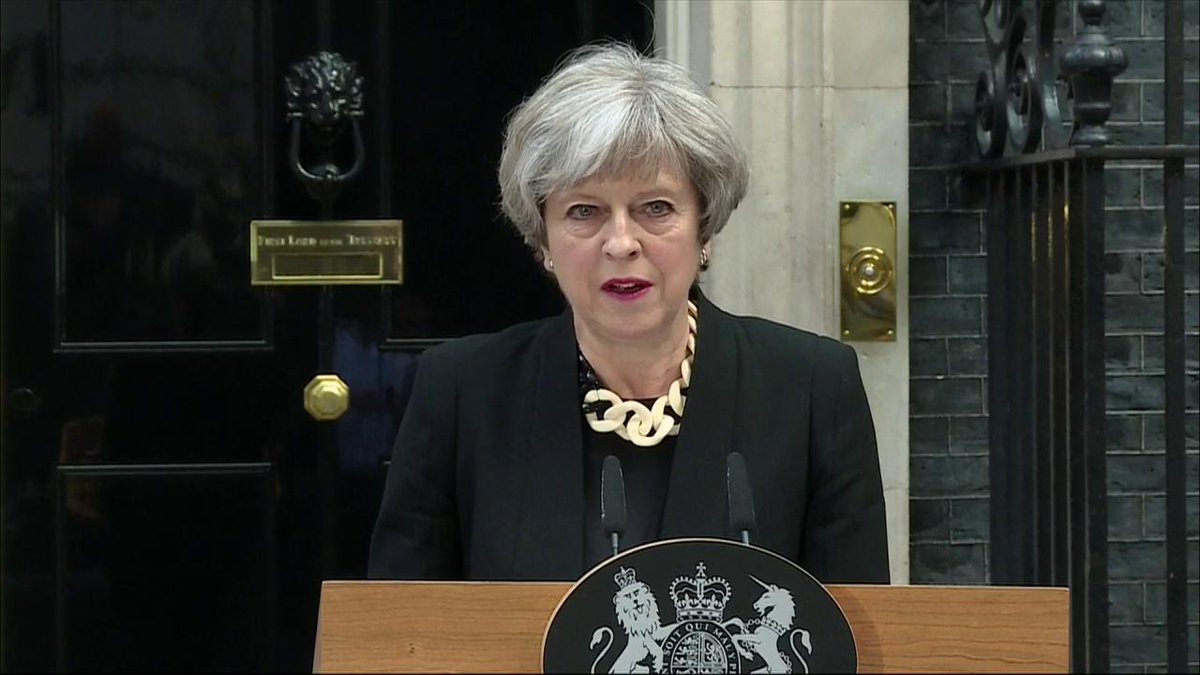
NAYPYITAW (Reuters) - Myanmar leader Aung San Suu Kyi on Tuesday condemned human rights violations in Rakhine state and said violators would be punished, but she did not address U.N. accusations of a campaign of ethnic cleansing by the military.
She made the remarks in her first address to the nation since attacks by Rohingya Muslim insurgents on Aug. 25 led to a military response that has forced 421,000 Rohingya Muslims, more than half of them children, into neighbouring Bangladesh.
Western diplomats and aid officials, hoping for an unequivocal condemnation of violence and hate speech, welcomed the tone of the Nobel Peace laureate’s message, but some doubted if she had done enough to deflect global criticism.
At the annual United Nations General Assembly, U.N. Secretary-General Antonio Guterres responded cautiously and repeated a call for an end to military operations and restoration of humanitarian access.
”I take note of State Councilor Aung San Suu Kyi’s address today and their intention to implement the recommendations of the advisory committee for Rakhine state, that was chaired by Kofi Annan, within the shortest time possible.
“But let me emphasize again, the authorities in Myanmar must end the military operations, allow unhindered humanitarian access and recognize the right of refugees to return in safety and dignity; and they must also address the grievances of the Rohingya, whose status has been left unresolved for far too long.”
Britain said on Tuesday it had suspended its training programme for military in Myanmar because of the violence in Rakhine state.
A spokeswoman for the European Union said immediate priorities were a cessation of violence and full access to all humanitarian aid workers. She said Suu Kyi’s invitation to the diplomatic corps to visit Rakhine was “a step forward.”
“Myanmar’s leadership needs to show that the democracy they fought so hard for can work for all the people of Myanmar, beyond ethnic, social and religious boundaries,” the EU spokeswoman said.
Nigerian President Muhammadu Buhari, in his speech to the General Assembly, likened the violence in Myanmar to genocides in Bosnia and Rwanda and urged a halt to the “ongoing ethnic cleansing” and the safe return of refugees.
Amnesty International described Suu Kyi’s speech as “little more than a mix of untruths and victim-blaming”, saying she and her government were “burying their heads in the sand” for ignoring the army’s role in the violence.
“We condemn all human rights violations and unlawful violence. We are committed to the restoration of peace and stability and rule of law throughout the state,” Suu Kyi said in her address in the capital, Naypyitaw.
“Action will be taken against all people, regardless of their religion, race and political position, who go against the law of the land and violate human rights,” she said.
Long feted in the West as a champion of democracy in the Buddhist-majority country during years of military rule and house arrest, Suu Kyi has faced growing criticism for saying little about abuses faced by the Rohingya.
The United States urged Myanmar on Monday to end military operations, grant humanitarian access, and commit to aiding the safe return of civilians to their homes.
Myanmar’s generals remain in full charge of security and Suu Kyi did not comment on the military or its actions, except to say there had been “no armed clashes and there have been no clearance operations” since Sept. 5.
Rohingya refugees arriving in Bangladesh have told of soldiers and Buddhist civilians attacking and burning villages as recently as last Friday. It was not possible to verify their accounts.
BURNING VILLAGES
Myanmar State Counselor Aung San Suu Kyi delivers a speech to the nation over Rakhine and Rohingya situation, in Naypyitaw, Myanmar September 19, 2017. REUTERS/Soe Zeya Tun
Rights monitors and fleeing Rohingya say the army and Rakhine Buddhist vigilantes have mounted a campaign of arson aimed at driving out the Muslim population. The U.N. rights agency said it was “a textbook example of ethnic cleansing”.
Myanmar rejects the charge, saying its forces are tackling insurgents of the Arakan Rohingya Salvation Army (ARSA), which the government has declared a terrorist group and accused of setting the fires and attacking civilians.
Western governments that backed Suu Kyi’s campaign against military rule still see her as the best hope for Myanmar’s political and economic transition.
But she has to avoid angering the powerful army.
She also has to avoid alienating supporters by being seen to take the side of a Muslim minority that enjoys little sympathy in a country that has seen a surge of Buddhist nationalism.
Some diplomats said she had not squarely addressed the problem of violence in her speech.
Slideshow (3 Images)
But her domestic audience was happy.
Thousands of supporters cheered and let balloons float into the sky in the main city of Yangon as they watched her speech on a big screen. Social media saw a blizzard of posts with the message: “We stand with Aung San Suu Kyi”.
Phil Robertson of Human Rights Watch said satellite images showed about half of all Rohingya villages had been torched and it was time that Suu Kyi, the government and military faced the fact that the security forces “shoot and kill who they want.”
Amnesty International said there was “overwhelming evidence” the security forces were engaged in ethnic cleansing.
‘READY TO EXPLODE’
In Geneva, the head of a U.N. investigation into the violence said his team had heard testimony that suggested Myanmar’s security forces may be committing rights violations.
“What they have come up with reflects in general the reporting of the international media,” Marzuki Darusman said, referring to a small team of investigators talking to refugees in Bangladesh.
Myanmar has declined to issue visas to Darusman’s team, but he said he was more hopeful following Suu Kyi’s speech in which she spoke of allowing diplomats access to Rakhine state.
Suu Kyi, 72, said her government had been promoting harmony between the Muslim and largely Buddhist ethnic Rakhine communities. But a government official there did not share her optimism.
“They have no trust for each other,” the state’s secretary, Tin Maung Swe, told Reuters, adding that tensions were high.
“The situation is ready to explode.”
Suu Kyi said she was committed to recommendations made by the advisory team led by Annan, a former U.N. secretary-general, which last month suggested a review of a law that links citizenship and ethnicity and leaves most Rohingya stateless.
On the return of refugees, Suu Kyi said Myanmar was ready to start a verification process and “refugees from this country will be accepted without any problem”.
The Sept. 15 terrorist bombing in a crowded London subway station – which injured at least 30 passengers but caused no deaths – was the latest in a string of terrorist attacks in Western Europe in recent years.
In mid-August, attacks in Barcelona and the nearby city of Cambrils killed 16 people and injured more than 130 just a few days before an attacker with a knife in Finland killed two and wounded eight others. Earlier assaults this year in London and Manchester, England, left dozens dead and hundreds more wounded.
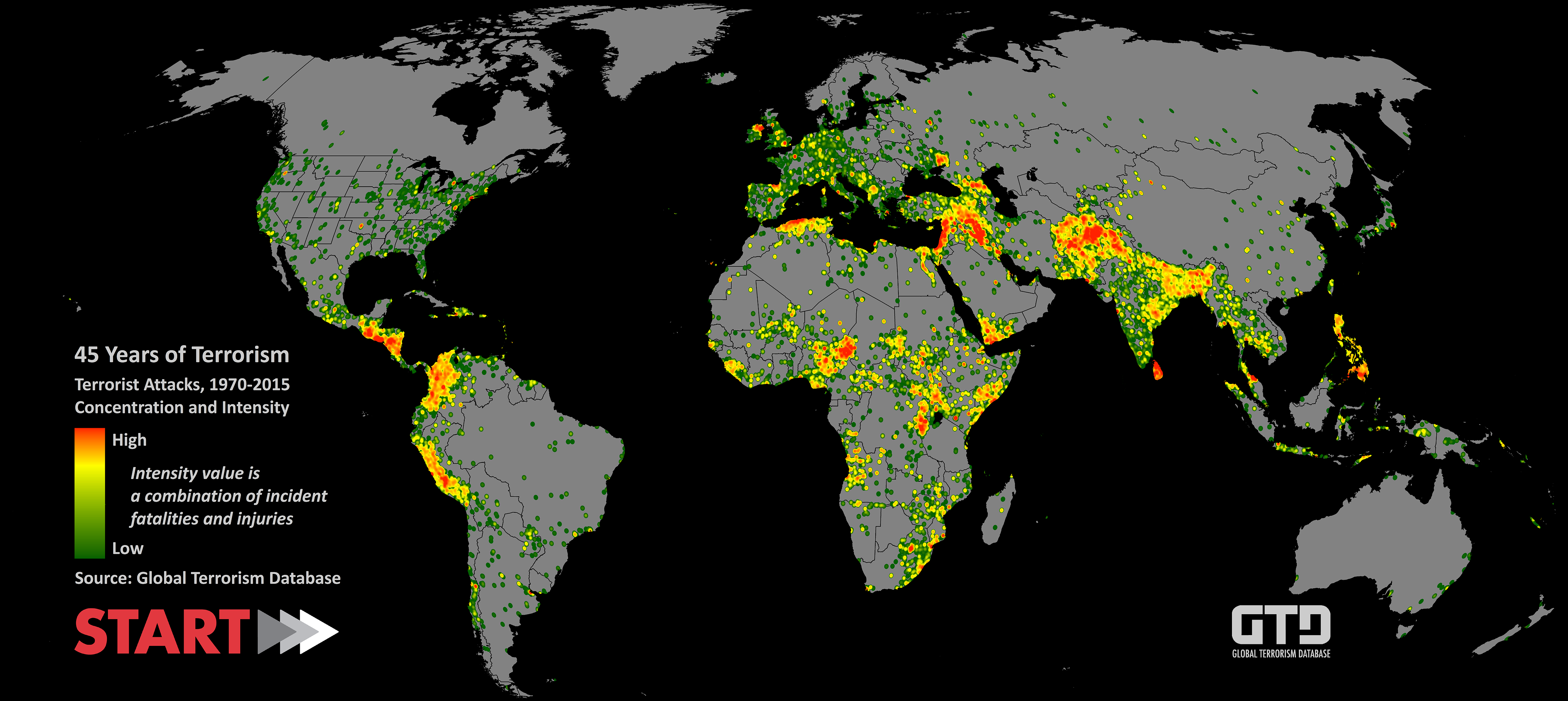
Since 2015, there has been a sharp increase in both the number of attacks and deaths caused by terrorism in Europe. As someone who studies European security issues, I see three key factors contributing to this development: Europe’s large and often poorly integrated Muslim population, proximity to unstable regions like the Middle East and North Africa, and terrorists’ new focus on highly vulnerable “soft” targets.
The Sept. 15 bombing was London’s second major train attack in 12 years.AP Photo/Frank Augstein
Poor integration
The Islamic State claimed on its Amaq news outlet that a “detachment” of its followers were responsible for last week’s London attack.
While terrorism in Europe today is commonly associated with Islamic extremism, since the end of World War II Europe has experienced different waves of terrorist violence. In the 1970s and 1980s, the biggest terrorist threat was secular Marxist groups such as the Red Brigades in Italy and Germany’s Red Army Faction as well as separatist groups such as Spain’s ETA and Northern Ireland’s Irish Republican Army (IRA).
But since the Sept. 11, 2001, terrorist attacks in the United States, radical Islam has become the greatest terrorist threat facing Europe.
In many Western European countries today, Muslims make up between 5 and 10 percent of the population. Many second- and third-generation European Muslims have struggled more than their parents or grandparents to assimilate, in part due to unemployment and xenophobia.
Their often poor integration creates a large pool of disaffected young people vulnerable to radicalization and extremist violence, though of course only a small number of them turn to terrorism.
In contrast, the U.S. has a much lower proportion of Muslim residents – about 3.3 million people, or 1 percent of the population – and they tend to be well-integrated into American society, with educational attainment, household income and employment levels comparable to those of the general public.
According to a recent U.S. government study, over a period of more than 15 years, from Sept. 12, 2001, to the end of 2016, radical Islamic extremists killed 119 people in the U.S. in 23 separate attacks – fewer than the number who died in coordinated attacks in and around Paris on the night of Nov. 13, 2015 (an attack that was, for the record, perpetrated by primarily French and Belgian nationals).
The short road to IS
Geography also works against Europe. For jihadis fleeing the battlefields of Iraq or Syria, Europe is simply easier to reach than the U.S. or other far-flung Western countries such as Canada or Australia – and vice versa.
As many as 5,000 Europeans left to wage jihad in Iraq and Syria, far more than the number of Americans who joined IS and other terrorist groups. European security services estimate that as many as 30 percentof those fighters have returned home. Many pose little security threat, but there are likely dozens who are actively plotting attacks in Europe.
And thanks to the Schengen Agreement, which dismantled internal border controls within the European Union, terrorists can slip in and out of EU countries with ease – though not necessarily the UK, which does not participate. Counterterrorism cooperation among European countries has advanced in recent years, but Europe remains a patchworkof security and intelligence agencies.
Nor is this even the worst period of terrorism in modern European history. In 1972, the bloodiest year of Northern Ireland troubles, terrorist attacks killed 400 people in Western Europe, and the region accounted for more than 70 percent of terrorist attacks worldwide.
Radical separatist groups like the IRA once represented Europe’s biggest terrorist threat.Tdv123, CC BY-SA
Soft targets
Still, the number and lethality of attacks in Europe has indeed been rising sharply in recent years, partially as a result of terrorists’ changing tactics.
While al-Qaida preferred complex, well-planned assaults like the 9/11 World Trade Center attacks and plans to take down airliners over the Atlantic Ocean, IS has demonstrated a penchant for indiscriminate violence.
Abu Muhammad al-Adnani, a senior IS strategist killed last year, called on Muslims to murder Europeans by any means necessary: “Smash his head with a rock, or slaughter him with a knife, or run him over with your car.” He was especially keen on killing “the spiteful and filthy French.”
Either through incompetence or sheer good fortune, the crude, homemade bomb that shook London last week failed to detonate properly. The New York Times reported that witnesses on the train “described a tremor, a wave of heat and then a barrage of flames that quickly dissipated.”
But elsewhere IS’s modus operandi of employing unsophisticated means to spread mayhem has proven deadly. When a van mowed down pedestrians in Barcelona in August 2017, for example, it was the sixthincident of vehicular terror in Europe since last year, following similar attacks in Nice, Berlin, Stockholm and London.
European cities have added new physical barriers to guard against such crude offenses, but police and security services can do little to completely eliminate similar attacks.
Can Europe stay safe?
Security services and law enforcement in Europe are certainly getting better at identifying, tracking and arresting potential terrorists and preventing attacks, though.
Since June 2013, security services in the U.K. have foiled 13 terrorist attacks. And in the dozen-plus years between the Madrid train attack in March 2004 and last month’s attacks in and around Barcelona, Spanish authorities stopped a number of potential Islamist terrorist attacks.
No matter how well officials cooperate, Europe can’t prevent every terrorist attack.Reuters/Sergio Perez
Still, Europe will be vulnerable to terrorism for some time. It is virtually impossible to stop someone who is committed to killing civilians using everyday items such as cars, kitchen knives or bombs built with easy-to-find materials like hydrogen peroxide and acetone.
The bigger question is what impact ongoing terrorism attacks will have on European politics and societies. In seeking to reduce the frequency and lethality of inevitable future terrorist attacks, Europe’s democratic societies are confronting hard choices.
As in the U.S. after September 11, Europe is hotly debating the scope of governmental powers, how to guard public spaces without surrendering freedom of movement and ways to better integrate Muslim members of society.
Many Brits seem to accept indiscriminate, jihadist-inspired violence as the “new normal.” As one resident of Parsons Green, the site of last week’s subway attack, said to The New York Times, “We get attacked, and then we carry on, waiting in anticipation for the next one.”
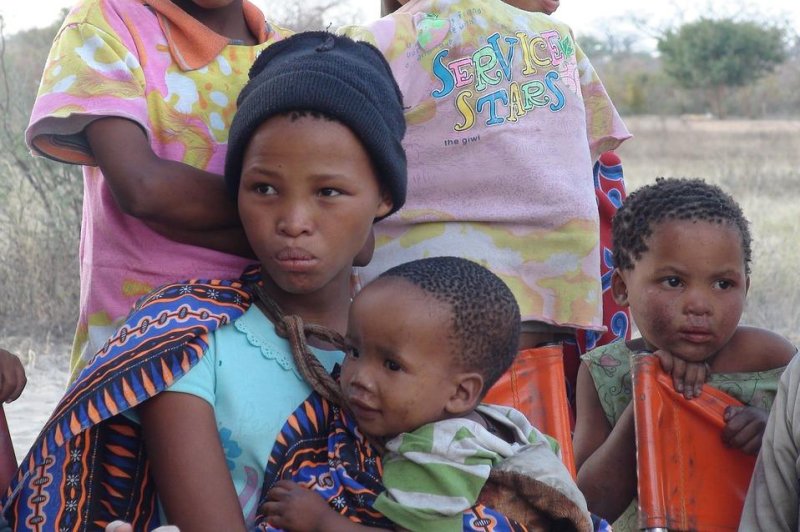
President Trump's Emergency Plan for AIDS Relief, or PEPFAR, shows that the HIV epidemic is nearing control in five African countries. Photo by FotoshopTofs/PixaBay
Sept. 19 (UPI) -- President Trump's Emergency Plan for AIDS Relief, or PEPFAR, shows that the HIV epidemic is nearing control in five African countries.
The data shows that the HIV epidemic in Lesotho is coming under control. Prior PEPFAR-supported Population-based HIV Impact Assessments, or PHIAs, announced for Malawi, Swaziland, Zambia and Zimbabwe.
Data from the six African countries was obtained via PHIAs, funded by the U.S. government through PEPFAR and conducted by the U.S. Centers for Disease Control and Prevention, ICAP at Columbia University's Mailman School of Public Health and local governmental and non-governmental partners.
The latest data also shows that the previously expanding epidemic in Uganda has now stabilized mostly due to increases in coverage of voluntary medical male circumcision for HIV prevention and expansion of HIV treatment.
The new Lesotho PHIA results show that HIV viral load suppression, the key marker of the body controlling the virus, has achieved over 67 percent among all HIV-positive adults age 15-59 showing that the country is on track to achieve epidemic control by 2020.
"CDC is so pleased to contribute to the global HIV response, working with ministries of health and other partners on science-based solutions that are transforming some of the world's most severe HIV epidemics," CDC Director Dr. Brenda Fitzgerald, said in a press release. "National surveys are critical to show the impact of efforts and to chart the path to fully achieve HIV epidemic control."
The PHIA results show significant progress, but also gaps in HIV prevention and treatment for younger men and women. Results from all six surveys found that women and men under age 35 were less likely than older adults to know their HIV status, be receiving treatment for HIV or be virally suppressed.
"The findings from the six countries provide a report card on the global and local efforts in confronting the HIV epidemics while at the same time help in shaping a blueprint for their future course as they continue their quest to stem this epidemic," said Dr. Wafaa El-Sadr, the global director of ICAP. "The gaps identified in reaching young women and men are relevant to many other countries around the world, and addressing them is critically important to achieving the ultimate goal of ending this epidemic."